Choosing the right tractor tires is critical, especially for demanding applications like hillside farming. This review examines the Alliance 304 12.4x38 tire, evaluating its suitability for hillside operations and occasional road use. We'll analyze its technical specifications, performance characteristics (based on available data), and limitations, offering actionable recommendations for farmers, manufacturers, and dealers. We will also address the significant gap in independent comparative data, highlighting the need for more comprehensive research in this area. For information on tire inflation, see this helpful guide.
Technical Specifications & Features
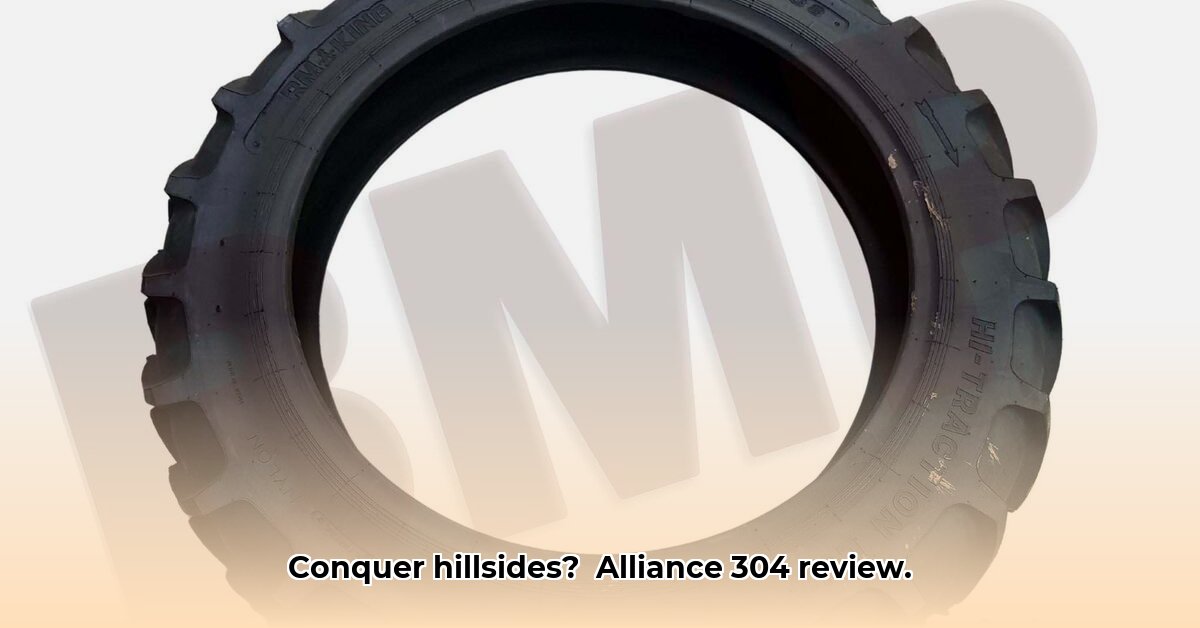
The Alliance 304 12.4x38 is a 6-ply rated tire designed for agricultural applications. Its approximate weight is 116 kg. The manufacturer highlights its aggressive tread design featuring a 45-degree angled lug pattern with prominent center studs, suggesting strong traction capabilities. (See image [Image of Alliance 304 12.4x38 tire and lug design]). However, crucial technical details remain scarce. Precise load capacity, rolling resistance coefficients, and expected lifespan are missing from publicly available resources. This lack of comprehensive data significantly hinders a thorough performance assessment and direct comparison with competitor products. This data gap is a considerable limitation that needs addressing by both manufacturers and independent testing organizations.
Performance Analysis: Traction and Self-Cleaning Capabilities
The angled lug design of the Alliance 304 suggests enhanced traction and self-cleaning properties, particularly beneficial for hillside work. The lugs' angled orientation promotes deeper ground penetration, improving grip on slopes and in various soil types. The strategically spaced lugs are intended to minimize mud and debris accumulation, maintaining traction even in challenging conditions. The center studs further enhance traction, especially on inclines and in loose soil. However, this analysis relies on visual inspection and manufacturer claims; independent verification through rigorous testing is required to validate these assertions. The lack of readily available data on traction performance across different soil types and slopes represents a critical gap in our understanding of this tire's capabilities. How much better is its traction compared to other brands? More objective data is needed to respond fully.
Limited Comparative Analysis: A Need for Further Research
A comprehensive comparative analysis of the Alliance 304 against competing 12.4x38 tires is currently impossible due to the scarcity of independent performance data. While online retailers provide pricing information, this alone offers insufficient insight into overall value and performance. We are unable, for instance, to compare this tire’s claimed traction against competitors such as Michelin, Firestone, or BKT tires. The absence of standardized testing protocols and readily accessible results hinders meaningful comparisons and informed decision-making for potential buyers. This underscores a critical need for standardized testing and transparent reporting within the agricultural tire industry.
Actionable Recommendations
Despite data limitations, several actionable steps can improve tire selection, use, and management:
For Farmers:
- Prioritize Comprehensive Research: Before purchase, gather data from multiple sources, including manufacturer websites, independent reviews (where available), and discussions with fellow farmers.
- Conduct On-Farm Testing: If feasible, conduct small-scale comparative tests on your own farm, comparing the Alliance 304 against other tires under your specific operating conditions.
- Emphasize Proper Maintenance: Maintain correct tire pressure and follow recommended rotation schedules to maximize tire lifespan and performance.
For Tire Manufacturers:
- Enhance Data Transparency: Proactively publish detailed technical specifications, including load capacity, rolling resistance, and anticipated lifespan. Commission independent testing to validate performance claims.
- Implement Standardized Testing: Advocate for and participate in the development of standardized testing protocols to provide consistent and reliable performance data for comparison across brands.
- Collaborate with Researchers: Partner with agricultural research institutions to conduct independent, verifiable testing of your products under various conditions.
For Dealers:
- Provide Comprehensive Information: Train staff to provide accurate and unbiased information about the Alliance 304, clearly communicating both its strengths and limitations.
- Offer Diverse Options: Stock a range of 12.4x38 tires from various manufacturers to offer customers comparable options with different performance characteristics.
- Promote Informed Decision-Making: Provide customers with resources and tools to facilitate informed tire selection based on their specific operational needs.
Conclusion
The Alliance 304 12.4x38 displays potential for hillside applications based on its aggressive tread design. However, the absence of comprehensive, independent performance data significantly limits a definitive assessment. Its ultimate value remains uncertain without more rigorous comparative studies. Future research should prioritize standardized testing protocols and more transparent reporting by manufacturers to enable informed decision-making and foster greater confidence amongst consumers. The current lack of data represents a substantial challenge for all stakeholders involved in agricultural tire selection and management.